

Is Your Westfield Child Struggling in School? How Vision Therapy Can Improve Focus This Fall
The start of a new school year often brings renewed attention to grades, reading habits, homework, and classroom behavior. When a child struggles to stay focused, loses their place while reading, or becomes frustrated with close work, parents may assume the issue is motivation or attention alone. In some cases, an underlying visual skills problem is making schoolwork more demanding than it should be.
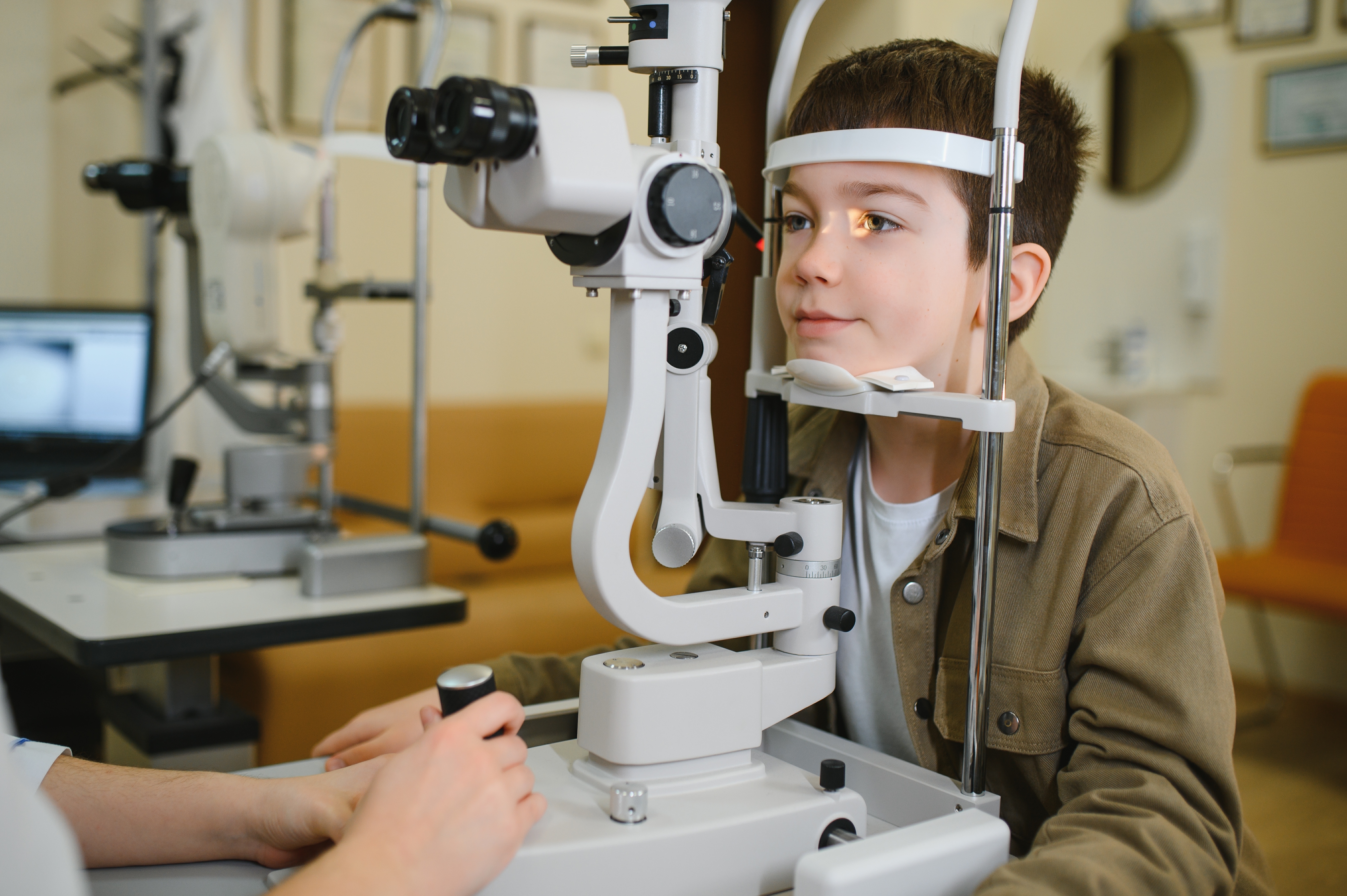
A child can have clear eyesight and still struggle with eye tracking, focusing, or coordination between the two eyes. A comprehensive developmental vision evaluation in Westfield can determine whether these skills are contributing to discomfort or reduced efficiency during visually demanding tasks.
Vision Involves More Than Seeing 20/20
Reading an eye chart measures visual clarity at a distance, but classroom learning requires several additional abilities. Children must move their eyes smoothly across a page, keep words clear at close range, use both eyes together, and shift focus between a worksheet and the board.
When one of these skills is inefficient, the child may use extra effort to complete ordinary assignments. This can lead to eye fatigue, headaches, blurred or double vision, slow reading, and avoidance of near work. The American Optometric Association notes that effective reading and learning depend on skills that include eye focusing, tracking, eye teaming, and visual perception.
Signs a Vision Problem May Be Affecting Schoolwork
Parents and teachers in Westfield should watch for patterns that appear during reading, writing, computer use, or homework, including:
- Losing their place or skipping words while reading
- Using a finger to follow each line of text
- Closing or covering one eye during close work
- Complaining of headaches, tired eyes, or blurred vision
- Taking longer than expected to finish assignments
- Avoiding reading or becoming frustrated quickly
- Struggling to copy information from the board
- Frequently rubbing their eyes or moving closer to the page
These behaviors do not automatically mean a child needs vision therapy. They can have several causes, so a thorough evaluation is important before recommending treatment.
How Vision Therapy Supports Visual Efficiency
Vision therapy is a personalized, supervised treatment program designed to improve specific visual skills. At Offen Eye Associates, therapy may address tracking, eye teaming, depth perception, fixation, shifting focus, and visual processing. Sessions are generally completed in the office, with activities selected according to the patient’s diagnosed needs. Home exercises may also support the work completed during appointments.
For a child with a confirmed binocular vision, focusing, or eye movement problem, improving visual efficiency can reduce the effort required for reading and other close tasks. This may make it easier to remain engaged because the eyes are working more comfortably. Vision therapy does not treat dyslexia, ADHD, or every learning difficulty, but it can address a diagnosed visual condition that exists alongside those concerns.
What to Expect From a Vision Therapy Evaluation
A routine school screening may identify difficulty seeing the board, but it does not assess every visual skill used during the school day. A developmental evaluation examines how the eyes focus, move, coordinate, and process visual information.
If testing identifies a treatable visual skills problem, the doctor can create a plan based on the child’s age, symptoms, and clinical findings. Offen Eye Associates provides vision therapy in Westfield through Vision Therapy Associates of Westfield and offers care for binocular vision deficits and learning-related visual concerns.
Fall is a practical time to pay attention to recurring symptoms because classroom demands become more consistent. Addressing a visual barrier early in the school year can help your child approach reading, homework, and daily learning with greater comfort and confidence.
Schedule a vision therapy evaluation with Offen Eye Associates at 518 Westfield Avenue, Westfield, NJ 07090. Call (908) 378-3200 to book an appointment.


MAP
© 2026 Offen Eye Associates. All Rights Reserved. Accessibility Statement - Privacy Policy - Sitemap
Powered by: 